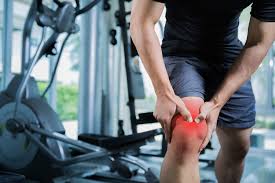
I have been battling injuries for the most part of my life. I have started exercising when I was very young and I moved to being a professional athlete when I was 16 years old.
My injuries have started accumulating throughout the years either because of over use, negligence, bad technique or too much impact.
I have been teaching classes for over 20 years, sometimes 4-5 classes per day, 7 days a week. That took a tool on my body, so I had to learn to exercise with injuries.
The most common injuries in fitness are: knee, ankle and foot, lower back, shoulder, neck and elbow. I can “proudly” say that I have them all.
So, what can you do to exercise even with injury? You should push yourself very little with an injury—and only in specific, safe ways. Pain is information, not something to “power through.” A lot of people power through pain and get the injury even worse or get a new injury.
The golden rule:
Discomfort = can be ok in certain situations, as long as that discomfort is not in the joints.
Pain = stop right away or reduce the intensity.
How hard is too hard?
- 0–2/10 pain: Usually safe (mild awareness, no worsening)
- 3–4/10 pain: Proceed with caution; modify, reduce load
- 5+/10 pain: Stop. You’re likely delaying healing
When is not ok to push yourself?
Do not push if you have:
- Sharp, stabbing, or sudden pain
- Swelling that increases during or after exercise
- Pain that changes your movement or form
- Pain that’s worse the next day
- Numbness, tingling, or instability
When is it ok to have some movement?
With minor or healing injuries, gentle movement can help:
- Light range-of-motion work
- Controlled rehab exercises
- Low-load, pain-free strengthening
- Activities that don’t stress the injured area
- Modified exercises as lower intensity or easier variation
This is often called “active recovery,” not training.”
New vs chronic injuries:
New injury, inflammation:
Prioritize rest, protection, and gradual return
Chronic/overuse injuries:
You may train around the injury, but not through pain
I will give you a small guide of the most common injuries and what to avoid and what is safe.
Knee injury:
Avoid
- Deep squats past pain range
- Lunges with long strides
- Jumping, sprinting, box jumps
- Twisting under load
Usually safe
- Partial-range squats (pain-free depth)
- Leg press (light, controlled)
- Step-ups (low height)
- Hamstring & glute strengthening
- Cycling, swimming
Ankle injury:
Avoid
- Running, cutting, lateral movements
- Jump rope, plyometrics
- Heavy calf raises early on
Usually safe
- Seated or supported calf raises (light)
- Ankle mobility + balance work
- Upper-body training
- Cycling, rowing (low resistance)
Shoulder injury(rotator cuff or impingement)
Avoid
- Overhead presses
- Upright rows
- Behind-the-neck movements
- Heavy benching if painful
Usually safe
- Neutral-grip presses
- Rows (controlled, elbows close)
- Face pulls (light)
- External rotation exercises
- Push-ups (pain-free range)
Lower back pain
Avoid
- Deadlifts, good mornings
- Twisting under load
- Sit-ups, Russian twists
- High-impact cardio
Usually safe
- Walking
- Bird dogs, dead bugs
- Glute bridges
- Supported machines
- Swimming (neutral spine)
Foot pain (plantar fasciitis, irritation due to stress)
Avoid
- Running, jumping
- Barefoot training
- High-impact HIIT
Usually safe
- Cycling
- Swimming
- Upper-body workouts
- Calf stretching (gentle)
- Towel scrunches / foot mobility
I hope this article helps understanding more when to push and when to stop.
Until next time, remember: Don’t give up on your dreams!
MB