This idea of this article was given to me by one of my friends. We were talking about her struggles with early menopause and my bulb lit up:
– I have to write an article about this. I need to tell people, women especially, that they are not alone in this and that there is help, there are things to do in order to make this transition smoother and less painful.
I am not there yet, so I don’t speak from experience, but I had friends and family that went through menopause and I’ve learnt a few things. Also, the article refers to the benefits of exercise and if fitness helps reduce the effects of menopause.
What is menopause?
It is the time in most women’s lives when periods stop permanently, and they are no longer able to have children.
When should women expect menopause to occur?
You should expect it around the age of 49 – 52. If you are there or close to that age, don’t PANIC. There is hope.

The symptoms are:
- Hot flashes
- Chills
- Night sweats
- Sleep problems
- Mood changes
- Weight gain and slowed metabolism
- Thinning hair and dry skin
I’m sure no one enjoys these feelings, but as women we have to go through them and fight them hard.
Treatment and solution
Trouble sleeping? Solution: Wake up and go to bed at consistent times, even on weekends.
Night sweats? Solution: Dress in light nightclothes.
Mood changes? Solution: Relaxation and stress-reduction techniques, including deep-breathing exercises and massage, a healthy lifestyle.

Benefits of exercise during menopause:
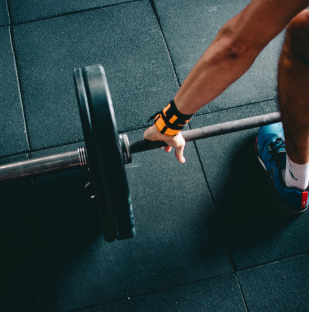
Exercising during menopause will prevent you from gaining weight. Don’t overdo it though as the bones become more fragile and you feel more tired than before.
Benefits of Exercise During Perimenopause & Menopause

- Manages Weight – Hormonal shifts can cause weight gain, especially around the abdomen. Strength training and cardio help maintain a healthy weight.
- Preserves Muscle Mass & Bone Density – Estrogen decline increases the risk of osteoporosis and muscle loss. Resistance training (weights, bodyweight exercises) combats this.
- Boosts Mood & Mental Health – Exercise reduces anxiety, depression, and mood swings by releasing endorphins.
- Supports Heart Health – Menopause increases heart disease risk, but regular exercise helps manage blood pressure and cholesterol.
- Improves Sleep – Helps reduce insomnia and night sweats, leading to better rest.
- Reduces Hot Flashes – Regular physical activity may lessen the frequency and intensity of hot flashes.
Best Types of Exercise for Menopause & Perimenopause

🏋️ Strength Training – Builds muscle, boosts metabolism, and strengthens bones. Focus on weights, resistance bands, and bodyweight exercises.
🚶 Cardio (Aerobic Exercise) – Walking, jogging, cycling, swimming, and dancing help heart health and fat loss.
🧘 Yoga & Pilates – Improve flexibility, reduce stress, and support core strength. Also beneficial for joint health.
🏃 HIIT (High-Intensity Interval Training) – Efficient for fat loss, muscle maintenance, and heart health.
🧘♀️ Stretching & Mobility Work – Prevents stiffness, improves posture, and enhances range of motion.
Fitness Tips for Women in Perimenopause & Menopause
- Prioritize Strength Training (2–3x per week) to counteract muscle loss.
- Incorporate Low-Impact Cardio if joint pain is an issue.
- Listen to Your Body – Some days, you may need gentler movement like yoga or walking.
- Stay Hydrated & Eat Protein to support muscle recovery and hydration.
- Manage Stress with Exercise – Activities like yoga, walking, or deep breathing can help.
Get Enough Recovery – Sleep and rest days are crucial for hormone balance and muscle repair
I hope this article is helpful for the ones of you that go through this difficult period.
As I always say: Keep fighting! I’m here for you!
MB