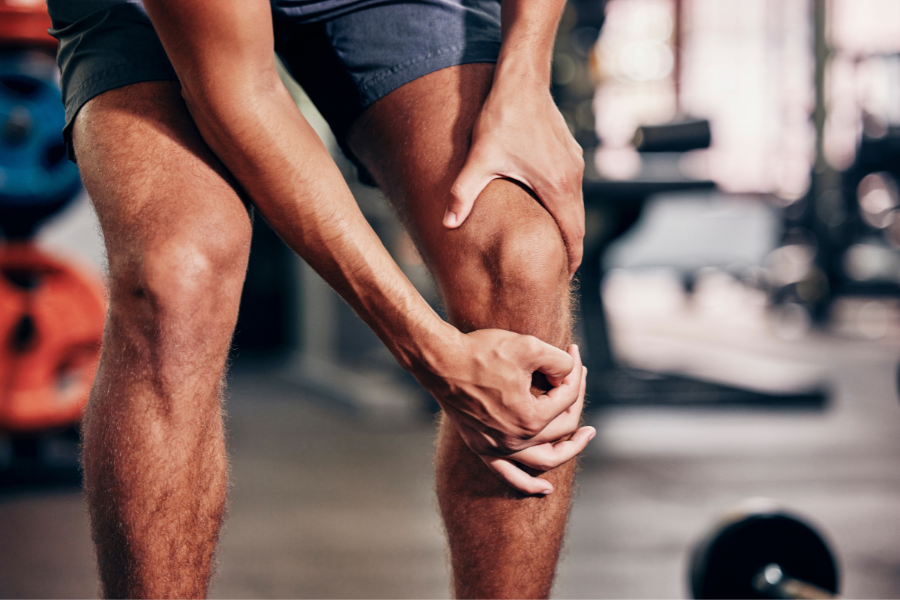
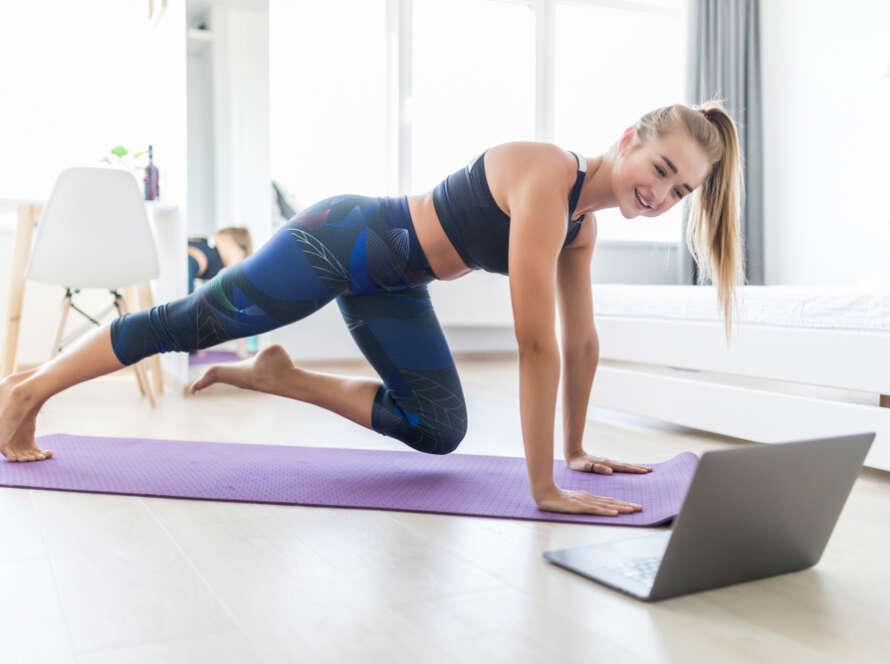
I have been battling knee injuries for a long time and I had to adapt my workouts to keep my legs strong. Squats and lunges are not my knees’ favourite, so I have stopped focusing on them when I workout in the gym. But I didn’t want to exclude them completely because squats and lunges are a part of my day to day life. So I created Power Pump, a class that allows me to squat and lunge with lighter weights and helps me strengthen my legs.
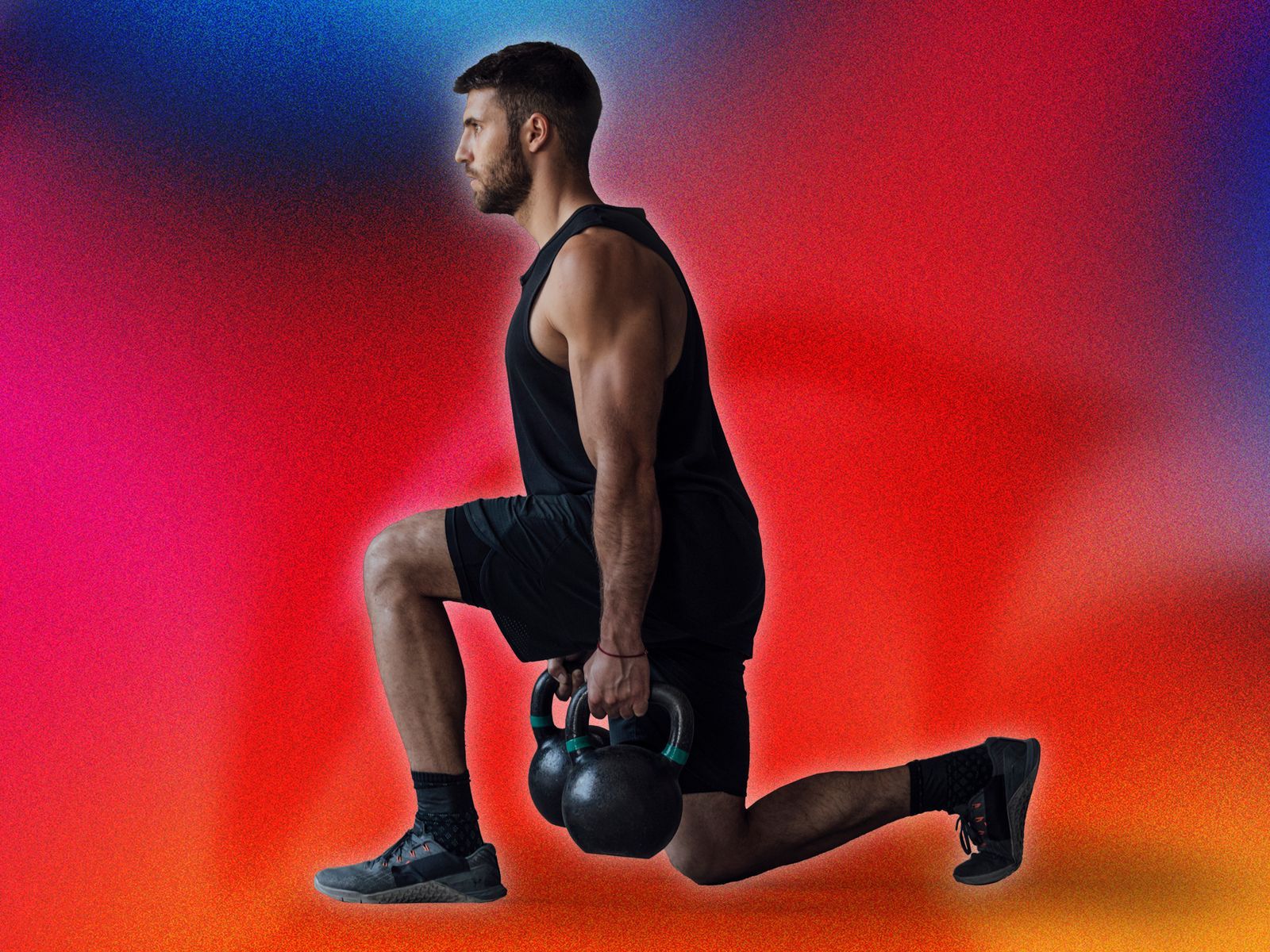
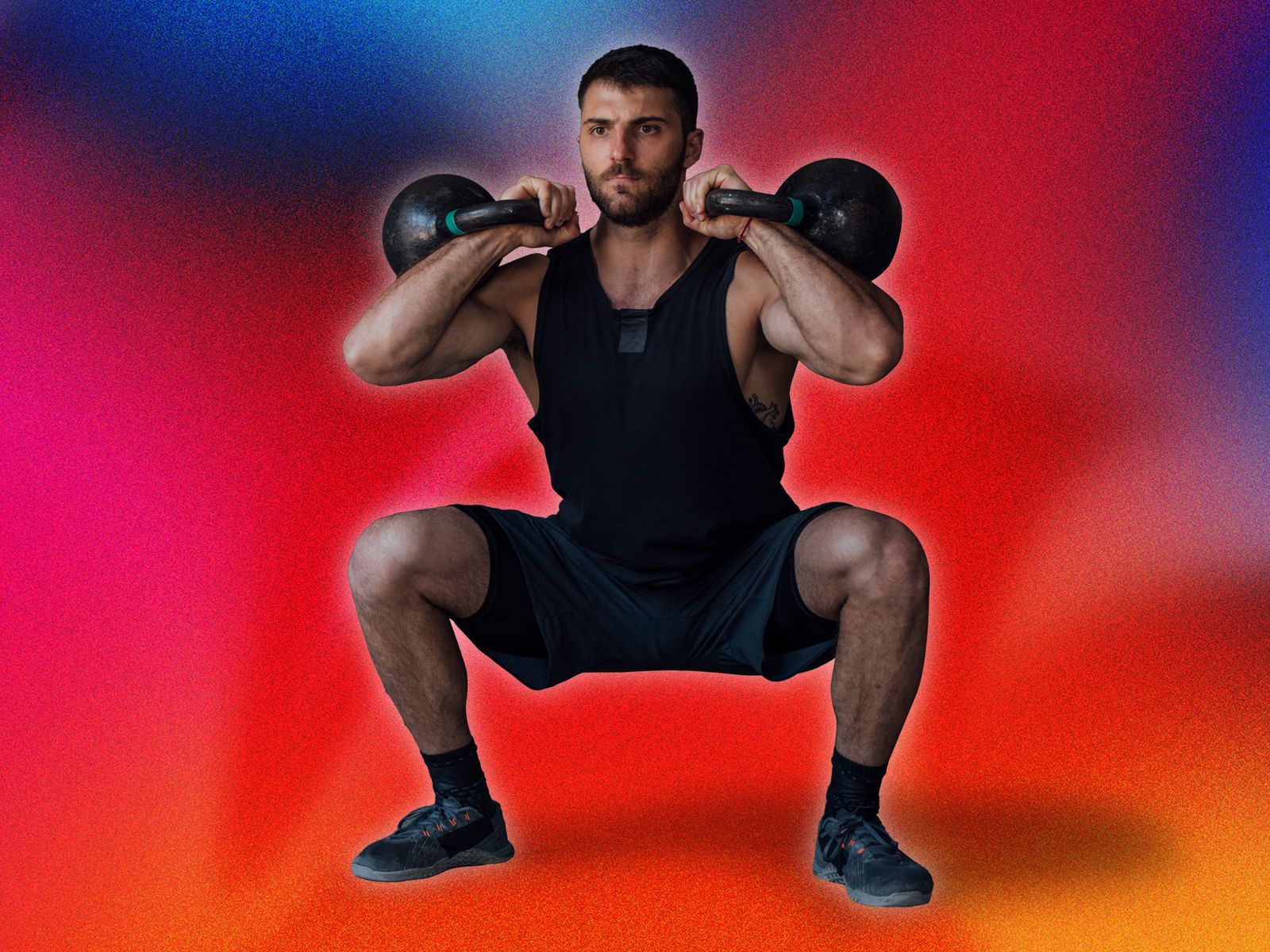
Squats and lunges are fundamental lower-body exercises that offer a wide range of benefits. Here’s why they’re important and often recommended in fitness routines:
🦵 1. Strengthen Major Muscle Groups
Both exercises target:
- Quadriceps (front of thigh)
- Hamstrings (back of thigh)
- Glutes (butt muscles)
- Calves
This helps build strength, power, and endurance in your lower body.
⚖️ 2. Improve Balance and Stability
- Lunges, in particular, train unilateral movement (one leg at a time), which improves balance and coordination.
- Squats help strengthen stabilizing muscles in your core and legs.
🔥 3. Burn Calories & Boost Metabolism
These compound movements work multiple muscle groups at once, leading to:
- Higher calorie burn during and after exercise
- Improved metabolic rate over time
🏃♀️ 4. Enhance Athletic Performance
Stronger legs = better performance in:
- Running
- Jumping
- Sports (e.g., basketball, skiing)
They improve explosiveness, agility, and endurance.
🧍 5. Support Everyday Movements
Functional benefits:
- Sitting and standing up (squats)
- Walking, climbing stairs, or bending (lunges)
These exercises mimic real-life movements, making daily tasks easier and safer.
⚠️ 6. Injury Prevention
- Strengthening the muscles around your knees and hips supports joint health
- Improves flexibility and mobility
- Corrects muscle imbalances
Summary Table:
| Benefit | Squats | Lunges |
| Builds lower-body strength | ✅ | ✅ |
| Improves balance | ⚠️ Moderate | ✅ High |
| Functional movement | ✅ | ✅ |
| Corrects imbalances | ❌ | ✅ |
| Calorie-burning | ✅ | ✅ |
If you have knee injuries, doing squats and lunges might seem counterintuitive or even risky, but when done correctly and carefully, they can actually be beneficial. Here’s why:
🛠️ Why Squats & Lunges (Modified) Are Still Important with Knee Injuries
✅ 1. Strengthen the Muscles That Support the Knee
- The quads, hamstrings, and glutes stabilize and protect the knee.
- Weak leg muscles put more strain on the joint.
- Controlled squats and lunges help rebuild that support system.
Stronger muscles = Less stress directly on the knee joint.
✅ 2. Improve Joint Stability
- Exercises that target balance and control help reduce future injury risk.
- Lunges (especially modified ones) challenge joint stability, which is crucial in recovery or prevention.
✅ 3. Maintain Mobility and Function
- Avoiding leg movement entirely can lead to stiffness, muscle atrophy, and reduced mobility.
- Properly done squats/lunges keep you moving safely and maintain function for daily activities like walking, standing, climbing stairs.
✅ 4. Prevent Compensation Injuries
- When you avoid training your legs, other areas (hips, back, ankles) often compensate.
- This imbalance can cause new injuries over time.
⚠️ BUT — Form and Modifications Matter a Lot
If you have a knee injury (like meniscus issues, arthritis, etc.), here’s how to do them safely:
🧘 Squat Modifications:
- Box Squats: Sit back onto a bench or box to reduce knee load
- Wall Squats (with a ball): Support your back and reduce stress on knees
- Shallow Range: Only squat to a pain-free depth
🏋️ Lunge Modifications:
- Reverse Lunges: Easier on the knees than forward lunges
- Static Split Squats: No stepping — just up/down movement
- Use Support: Hold onto a chair or wall for balance and control
❌ Avoid These (if painful):
- Deep squats
- Walking lunges on hard surfaces
- Jump squats or plyometric moves
- Fast, uncontrolled reps
✅ Final Tip:
Get clearance from a physical therapist or doctor if your injury is recent, severe, or persistent. A pro can guide you on form, depth, and safe progression.
I hope this summary helps you and you will not give up doing squats and lunges even if you have a knee injury.
And remember: never give up your dreams!
MB