


✅ What Is a Massage Gun?
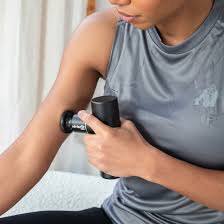
A massage gun (also called a percussive therapy device or percussion massager) is a handheld electric device that delivers rapid, repetitive pulses of pressure into muscle tissue. It mimics the effects of a deep-tissue massage by using a motorized head that moves in and out (percusses) against the body.
I am one that loves these little devices because you can get a lot of benefits in a short period of time.
These devices usually come with:
- Adjustable speed settings
- Interchangeable heads (for different muscles or pressure levels)
- Rechargeable batteries for portability
🔧 What Is the Role of a Massage Gun?
1. Muscle Recovery
- Helps reduce muscle soreness after workouts.
- Speeds up the removal of lactic acid and waste products.
2. Pain Relief
- Targets specific tight or painful areas (trigger points).
- Relieves chronic tension and muscle stiffness.
3. Improves Circulation
- Stimulates blood flow to targeted areas, which enhances healing and nutrient delivery.
4. Enhances Flexibility and Range of Motion
- Loosens up tight muscles and connective tissues (fascia), improving mobility.
5. Warm-Up Tool
- Prepares muscles for exercise or physical activity by increasing blood flow and activating the nervous system.
6. Stress Reduction and Relaxation
- Can promote relaxation by soothing overactive muscles and nerves.
- Some people use them as part of their wind-down or sleep routine.
Massage guns (also called percussion or percussive therapy devices) are popular tools for recovery and wellness. They deliver rapid bursts of pressure to muscles, which mimics the effects of a deep-tissue massage. Here are the main benefits of using a massage gun:
🟢 Physical Benefits
- Muscle Recovery: Speeds up recovery after workouts by reducing muscle soreness.
- Increased Blood Flow: Stimulates circulation, bringing more oxygen and nutrients to the muscles.
- Improved Flexibility: Helps loosen tight muscles and fascia, increasing your range of motion.
- Breaks Up Knots: Can help reduce adhesions and tension in muscles (trigger points).
- Warm-Up Aid: Prepares muscles for exercise by improving blood flow and reducing stiffness.
🟢 Pain Relief
- Reduces Muscle Tension: Relieves chronic muscle tightness and spasms.
- Alleviates Minor Aches: Can provide temporary relief from minor aches, such as back or neck pain.
- Endorphin Release: May stimulate the nervous system to release endorphins, naturally reducing pain.
🟢 Convenience & Cost-Effectiveness
- Self-Use: Allows you to treat hard-to-reach areas without needing a therapist.
- Cost Saving: Cheaper long-term than frequent professional massages.
- Portability: Many models are lightweight and cordless, making them easy to use anywhere.
🟢 Mental & Stress Benefits
- Relaxation: The rhythmic vibrations can reduce stress and promote a sense of calm.
- Improved Sleep: Some users report better sleep after using it to unwind tense muscles.
🔍 Massage Gun vs Foam Roller vs Manual Massage
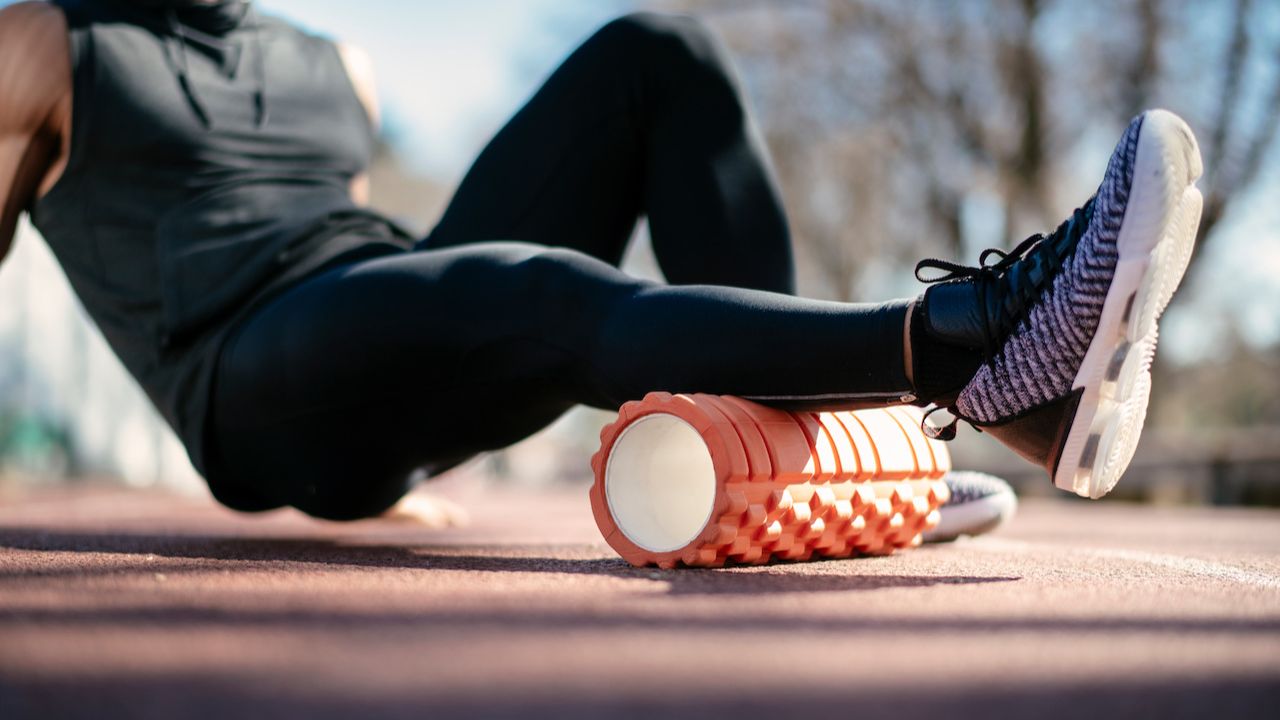
| Feature/Benefit | Massage Gun | Foam Roller | Manual Massage |
| Pressure Type | Percussive (vibrating/pounding) | Sustained body-weight compression | Manual kneading, trigger point work |
| Intensity Control | High – Adjustable speeds & heads | Medium – Adjust with body weight | High – Controlled by therapist |
| Precision | Very precise – targets small areas | Broad – covers large muscle groups | Very precise – especially with hands |
| Ease of Use | Easy – One hand operation | Moderate – Requires body movement | Passive – You relax, therapist works |
| Portability | Highly portable (cordless models) | Portable, but bulky | Not portable (unless self-massage) |
| Muscle Recovery | Excellent | Good | Excellent |
| Pain Relief | Good to excellent | Moderate to good | Excellent |
| Cost | £50–£400 (one-time purchase) | £10–£50 (one-time purchase) | £50–£150 per session |
| Best For | Spot treatment, deep relief | Large muscle groups, general release | Deep relaxation, complex pain relief |
| Limitations | Can be too intense if misused | Hard to target small or deep muscles | Expensive, time-consuming |
✅ Pros & Cons Summary
🟣 Massage Gun
Pros:
- Quick, effective deep muscle targeting
- Easy to use anytime
- Great for pre/post workout or chronic tension
Cons:
- Can cause bruising or nerve irritation if misused
- Loud in some models
🔵 Foam Roller
Pros:
- Good for large areas like back, quads, and hamstrings
- Great for general mobility and fascia release
- Affordable
Cons:
- Hard to reach certain muscles (neck, calves, shoulders)
- Requires floor space and effort
🟢 Manual Massage
Pros:
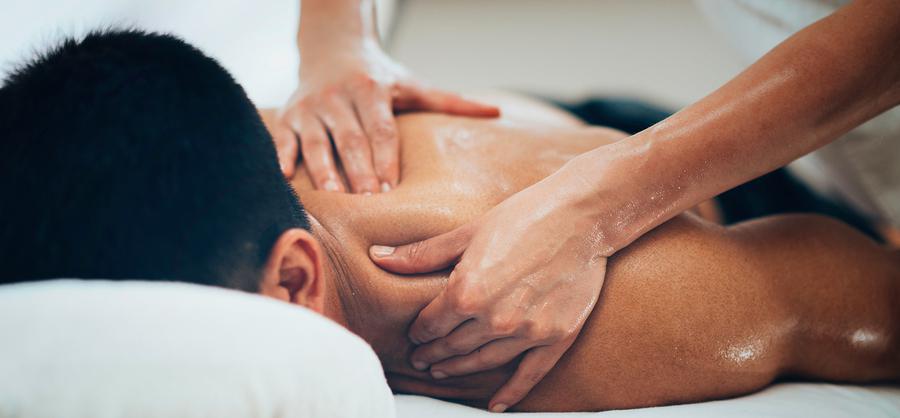
- Most intuitive and personalized
- Can address complex pain patterns and muscle imbalances
- Relaxing, therapeutic environment
Cons:
- Expensive and not always available
- May require frequent sessions for ongoing benefits
🧠 Final Thought
Each method has its place:
- Massage Gun: Great if you want targeted, convenient relief at home.
- Foam Roller: Best for warm-ups, cooldowns, and full-body mobility.
- Manual Massage: Ideal for long-term pain relief, relaxation, and deep work.
👉 Many people actually combine all three in a recovery or wellness routine.
I hope you enjoyed reading the article and that you will love the massage gun as much as I do.
Until next time: Don’t give up on your dreams!
MB





1 Comment
Louie
You’ve convinced me Miki! Massage gun sounds ideal